Flax: A Handwritten Font for Creative Projects
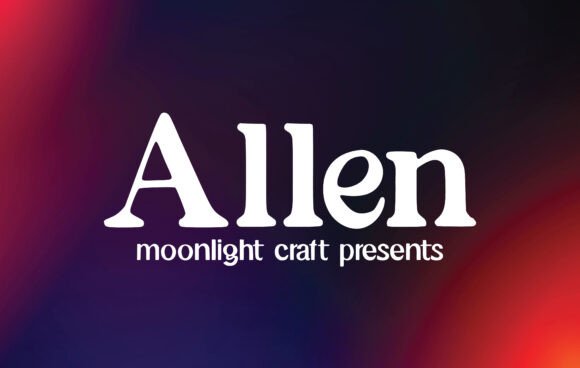
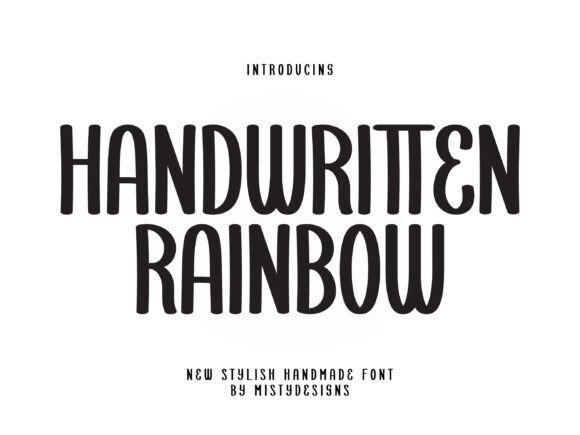
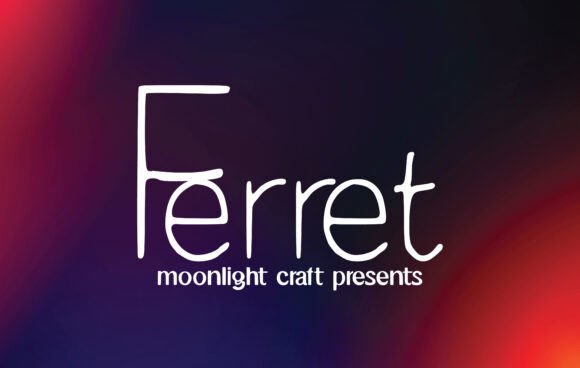
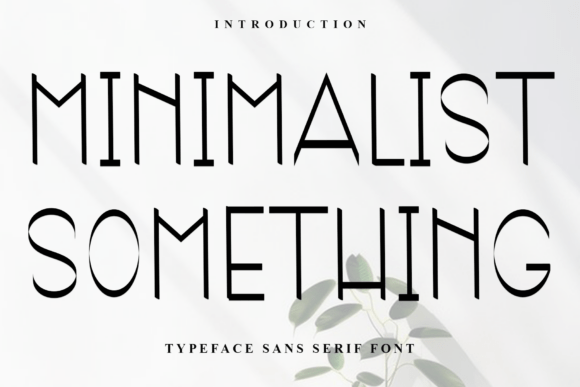
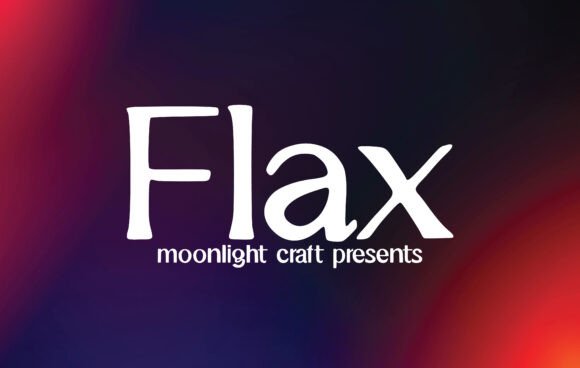
Flax is a beautifully crafted handwritten font that brings a personal touch to any design. As a crafter or small business owner, you know how important it is to have a typeface that looks both attractive and professional. Flax offers just that—its soft curves and elegant strokes make it ideal for a wide range of handmade and printable projects.
Flax in Handmade Labels and Stickers
Whether you're labeling candles, packaging soaps, or creating custom stickers, Flax adds a unique flair. Its readability makes it perfect for small labels where clarity matters. The font's natural flow gives your products a handmade feel, which customers love. Pair it with a clean sans serif font for contrast, or use it alone for a more decorative look.
Invitations and Wedding Stationery
For wedding invitations, welcome signs, or seasonal cards, Flax brings a warm and inviting tone. It works well for titles, names, and short phrases. When paired with a modern sans serif, it creates a balanced design that feels both elegant and approachable. Use it for farmhouse signs, rustic tags, or vintage-style invitations to enhance the overall aesthetic.
Product Packaging and Branding
Flax is an excellent choice for product packaging, especially when you want to create a cohesive brand identity. Its expressive style helps your logo stand out while maintaining a professional appearance. Whether you're designing tote bags, mugs, or printable templates, Flax ensures your branding looks polished and memorable.
Printables and Digital Downloads
If you sell digital printables, Flax can elevate your designs. Use it for planner pages, wall art, or printable quotes. Its versatility allows it to work in both large and small sizes, making it suitable for everything from greeting cards to SVG cut files. Make sure to test the font at different sizes to ensure optimal readability when printed.
Font Pairing Tips
Pairing Flax with other fonts can help you achieve the right balance between creativity and clarity. For example, combining it with a bold display font can add visual interest without overwhelming the design. Alternatively, pairing it with a simple serif or sans serif font can create a clean and sophisticated look. Experiment with different combinations to find what works best for your project.
Practical Use in Craft Projects
When using Flax on cutting machines like Cricut or Silhouette, keep in mind that intricate details may need adjustment for optimal cutting. Test the font on mockups before final production to ensure it looks great on physical items. For printed cards or signs, choose high-quality paper to highlight the font’s subtle textures and curves.
Commercial Font Licensing
If you're using Flax for commercial projects, such as selling physical products, printables, or client work, make sure to check the licensing terms. Most premium fonts allow for commercial use, but it's always wise to confirm. This ensures you can confidently use Flax in your designs without legal concerns.
Flax for Seasonal and Holiday Crafts
Flax is perfect for holiday-themed projects, from Christmas gift tags to Easter cards. Its friendly and approachable style makes it ideal for seasonal designs that resonate with customers. Use it for bakery tags, gift boxes, or festive signs to add a personal touch to your holiday offerings.
Enhancing Emotional Appeal
The right font can influence how customers perceive your brand. Flax adds warmth and personality, helping to build emotional connections with your audience. Whether you're creating handmade items or digital products, its charm can make your work stand out in a competitive market.
Flax in Boutique and Retail Settings
Boutique owners and retail sellers often rely on typography to create a cohesive look. Flax can be used for product tags, signage, and promotional materials. Its versatility makes it suitable for both modern and traditional settings, allowing you to maintain a consistent brand image across all touchpoints.
Final Touches for Your Designs
When working with Flax, pay attention to spacing and alignment. These small details can significantly impact the overall look of your design. Use it for headings, titles, and decorative elements to add a touch of elegance without sacrificing readability.